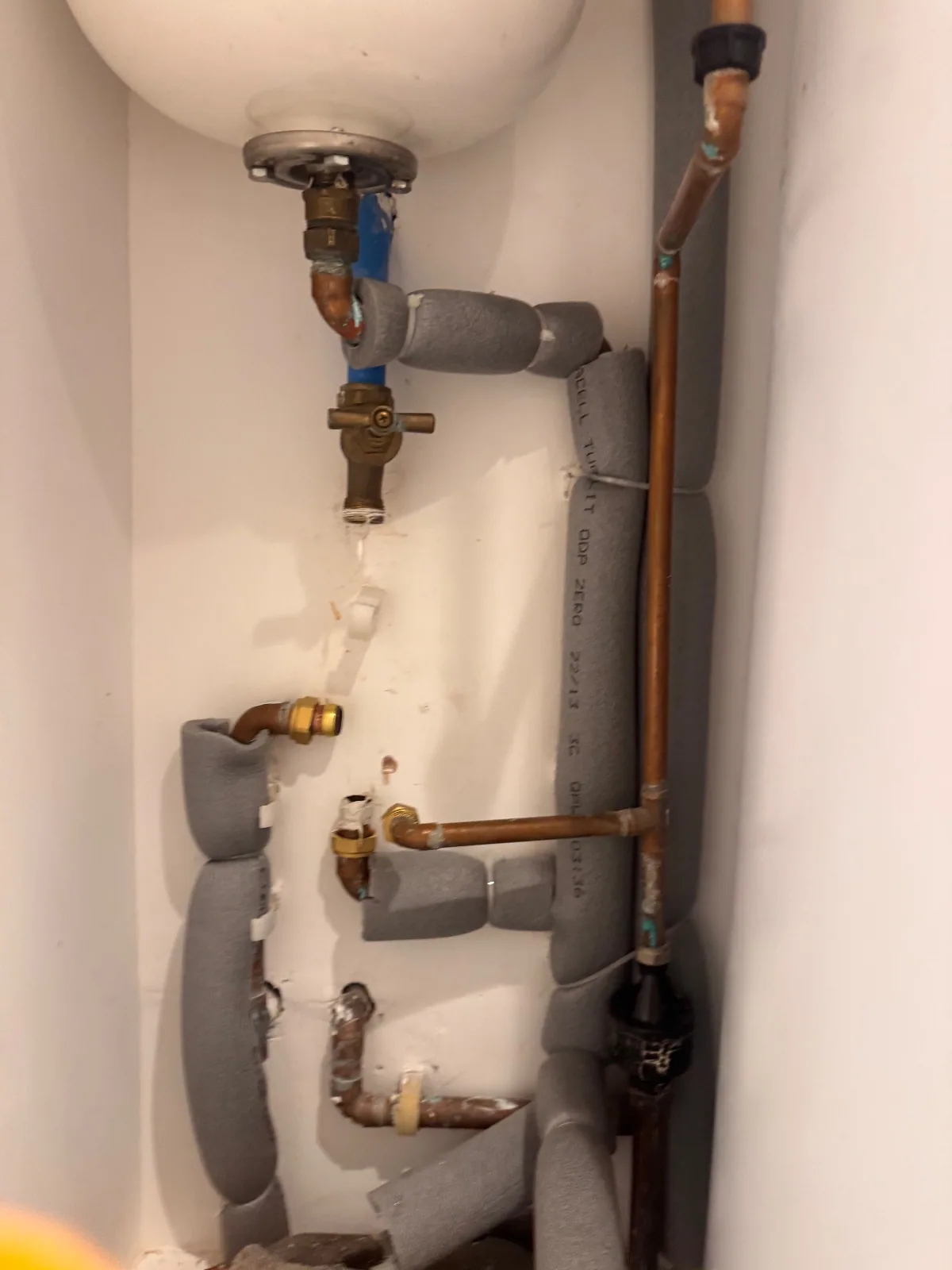
Electric stored hot water for the property
A direct cylinder is a defined hot-water arrangement, not a description of how quickly water reaches the tap. In the installations covered here, immersion elements heat the stored water without relying on a boiler coil. This can suit properties without a boiler-based hot-water circuit, provided the supply, electrical installation and storage provision support the intended use.
We plan first-time installations, replacement of existing direct units and changes from a different hot-water arrangement. A conversion needs the full connected scope assessed, including redundant equipment and altered pipework. We establish what the household or premises needs rather than select a cylinder solely because it fits the old cupboard.
Size storage around the busiest period
Tell us how many baths and showers are used, which run together and how closely one use follows another. Stored volume and the available electric recovery both matter. A larger vessel offers more storage, but its reheat time and controls must still suit the pattern. We discuss those constraints before recommending a capacity.
An existing shortage of hot water may be caused by a failed element or timing problem rather than insufficient volume. If the current installation once worked satisfactorily, we distinguish repair from an upgrade. This prevents a larger cylinder being proposed to compensate for a defect that should be diagnosed in its own right.
Check mains performance and distribution
Unvented storage depends on the incoming water supply and the distribution serving the outlets. We assess relevant flow and pressure conditions, simultaneous demand and any shared supply constraints. A cylinder does not manufacture unlimited flow, and a strong-looking single cold tap is not a complete design assessment.
The proposal identifies the supply controls, expansion provision and pipework needed for the selected model. Existing pipes may be reused where suitable, or altered where the layout or condition requires it. In a flat, shared rising mains and isolation points need the responsible building contact involved before changes are authorised.
Coordinate immersion power and operating schedules
We establish the element arrangement and the electrical supply, isolation and controls required for the chosen cylinder. Some direct installations use different timed or boost functions, but the actual model and supply determine the design. Electrical assessment and work require the relevant competence; the appearance of an existing switch does not confirm that every proposed heater can be connected.
If you use a time-of-use tariff, explain the actual tariff periods and intended hot-water schedule. We can plan controls around the agreed operating requirement, while energy prices and savings remain dependent on your contract and usage. A cylinder installation does not guarantee cheap electricity or make every tariff suitable for the household.
Plan the safety-discharge route and service space
Unvented installation requires the correct safety arrangement and a suitable discharge route, assessed against the selected product instructions and applicable requirements. A convenient existing drain is not automatically acceptable. The survey resolves the route before the cylinder is ordered, including building access needed to complete it.
The installation space must accommodate the filled load, pipe connections, controls and future servicing, not just the cylinder outline. We check the route for bringing the unit in and removing old equipment. A tight cupboard can make a different dimension or location more sensible than trying to force a nominally matching cylinder into unusable space.
Install, commission and explain the new system
We agree the shutdown, removal and connection sequence before work starts. Installation includes the specified cylinder, connected plumbing and coordinated electrical scope, followed by the required commissioning checks. Unvented hot-water work requires appropriate competence for the system; it is not ordinary DIY tank replacement.
At handover, we explain normal heating schedules and boost controls where fitted, identify the relevant records and set out manufacturer servicing requirements. We also make clear any separate finishing or building work. Users should understand how to obtain hot water without touching hidden thermostats, safety devices or electrical connections.
What the installation proposal includes
The cylinder capacity and model are only part of the installation cost. Removal access, immersion electrical supplies, controls, inlet fittings and the safety-discharge route can change the work substantially. Our proposal identifies the retained connections and the alterations required, including any enabling electrical or cupboard work, so you can compare a complete installation with another complete installation.
Request a direct-cylinder installation survey
Send your postcode, existing hot-water arrangement, occupancy and the problem you want the installation to solve. Mention bathroom changes, electrical upgrades and any fixed refurbishment dates. If plans or photographs would help, the team can arrange email sharing after the initial enquiry; the form itself accepts written information.
Loyal Plumbers covers homes, landlords and commercial premises throughout London and inside the M25. We provide a defined installation proposal after the relevant survey, with storage, heating controls, discharge, access and commissioning considered together. If an indirect system is better suited to the available heat source, we explain that alternative rather than treating every enquiry as the same cylinder job.
Common questions
Does a direct cylinder need a boiler?
The direct electric arrangement described here heats water using immersion elements, so it does not rely on a boiler coil. The electrical supply, controls and recovery must still be designed for the selected unit and demand.
Will it improve weak shower pressure?
Not automatically. The mains supply and distribution must support the required flow and pressure. We assess those conditions before making performance recommendations.
Can I keep the old cylinder’s safety components?
Reuse is only appropriate where the components are suitable for the new model, compliant and in serviceable condition. The installer must specify the complete arrangement rather than assume old components are interchangeable.
Sources and further reading
Need help with this in London?
Emergency repairs, investigations and planned installations across London and inside the M25. Tell us what you need so we can agree the next step.
Discuss your job